Monthly Archives: April 2012

What girls want – no gender bias


LEGO Group has been in the toy business for 80 years. As one of the top toy companies in the world, LEGO has effectively brought games and fun to children of all ages, and both genders, all around the word. Often adding specialty LEGO sets to reflect current trends – such as Star Wars, super heroes, video games, and cartoon characters –the company actively works to stay on top of new ideas and trends.

Keeping in that tradition, in December 2011, the company brought a new LEGO toy line to market – this one aimed solely at girls. The LEGO Friends line was designed specifically for girls, giving them building toys to create new communities of friends. The new line reflects girls preferences for more social types of games, as compared to the smash-‘em-up games seemingly favored by boys. But wait… isn’t the company just perpetuating a gender stereotype of how boys and girls play differently?

Some people think the company is indeed reinforcing old stereotypes and the new product line has generated controversy on a very large scale. Using social activist site Change.org, more than 55,000 people have made their opinions known and have signed a petition against the new product line. The result is that LEGO officials were set to meet recently with the two 20-year olds who began the social movement to discuss the issue and concerns.

Social activist sites such as Change.org and others are changing the way consumers make their preferences known, and they are helping to build social activism on a very large scale. The site – www.change.org – is a social action platform designed to empower people anywhere to start campaigns to change the world. The petition was started by several 20-year old members of the “girl-fueled organization, SPARK movement” in response to the company’s girl-oriented LEGO blocks. SPARK – at www.sparksummit.com – is a girl-fueled activist movement fighting against the sexualization of women and girls in media.

Group Activities and Discussion Questions: 

  1. Have students quickly browse through LEGO’s Web site to familiarize themselves with the company and products: www.lego.com
  2. Ask students what they believe the issue is with the new line of LEGO Friends. Does this product line reflect the company’s brand, mission, and values? Are there other potential problem areas for the company?
  3. Next, bring up the Change.org site: www.change.org.
  4. What is the mission of Change.org? How does it operate? What changes has it helped to facilitate in society around the world?
  5. After discussion about Change.org, continue the topic by showing the SPARK movement site: http://www.sparksummit.com/
  6. What are some of the issues that SPARK has addressed? How does it operate?
  7. Are there other social activist sites on the Internet? How are they used?
  8. How do these new social activist sites change marketing? What do companies need to be aware of as they tackle potentially risky topics?

Source:  Brandchannel.com, 4/20/12; Huffington Post, 1/12/12; NPR News
 

Leave a comment

Filed under Classroom Activities

IKEA’s new TV – streamlining homes and entertainment


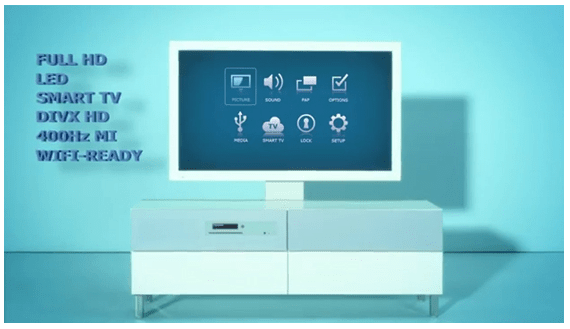
The latest design from global furniture company IKEA is a new product that includes TV, sound, and furniture – all in a single unit. This is IKEA’s first foray into the home electronics market, and they have done it with their typical Swedish style. The new unit integrates RCA’s HDTV into a fully customizable piece of furniture that can be tailored and expanded to fit multiple décor and sizes. The unit is classic IKEA; designed to fit into small spaces and hide the ugly cables so prominent in today’s home entertainment systems. The company commissioned a five-country market research product to help it develop the product.

The TV unit – named Uppleva – comes with a five-year warranty and integrates Blu-ray technology, video, Web inputs, wireless speakers, music, and a single remote into a comprehensive entertainment system. The unit will be available first in European markets this summer, followed by a broader launch later in the year. The base price of the unit is expected to be $955 (U.S.). The unit carries IKEA’s clean design and easy assembly features, maintaining the company’s brand value of delivering quality furniture at affordable prices.

Group Activities and Discussion Questions: 

  1. Ask students to describe their current TV and entertainment system: type, remotes, furniture, cables, and different devices for TV, radio, music, movies.
  2. What are the problems with their current systems? What could be better?
  3. Show the IKEA Uppleva video: http://youtu.be/0Nm7-EuctOs
  4. How does this TV change IKEA’s business model?
  5. How does this complete with other HDTV products?
  6. What is the target market for this product?
  7. Is this market the same in the U.S. as well as Europe?
  8. Have students view the IKEA’s Web site: www.ikea.com.
  9. How does this product reflect IKEA’s brand? Is the company brand consistent throughout the 400 countries in which it operates?
  10. And because everyone likes to make fun of (not so easy) assembly systems, end class with this video from  Conan O’Brien’s  show: http://youtu.be/89taazMC6FE

Source: Brandchannel.com, 4/23/12


Leave a comment

Filed under Classroom Activities

Google’s self-driving car


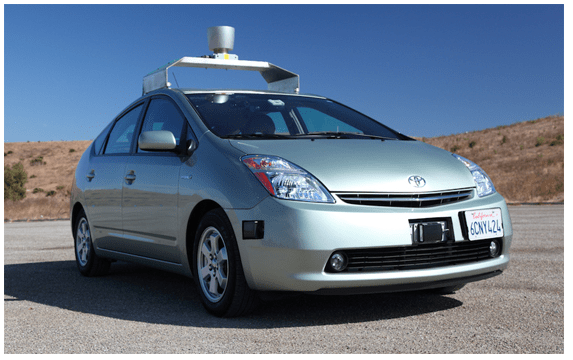
Is the future of automotive transportation finally here? Perhaps. While it doesn’t yet include the flying cars we may have dreamed of when we were children, nonetheless our cars are getting more innovative and are getting some very unusual new features. The most unusual new feature demonstrated recently by Google is the “driverless” car. Google has been working on prototypes of the driverless car since 2010.

The company recently released a new video of the car being “driven” by a blind driver. Although the car still has the common features we expect to see – such as a steering wheel – it has new capabilities that can improve safety and mobility. The car safely transported its “driver” on his daily errands, including a trip to Taco Bell’s drive-thru for lunch.

New technology is not unusual for Detroit’s auto manufacturers. The automotive companies have been adding automated features as well as new initiatives for safety and entertainment. But are they ready for the next revolution in driving?

Group Activities and Discussion Questions:

  1. Show the video to start the discussion: http://youtu.be/cdgQpa1pUUE
  2. Ask students if they would ever consider buying a driverless car. Why or why not?
  3. Discuss the role of product innovations for Google. The company has traditionally only been in software. Why is it expanding into hardware products?
  4. Discuss if this is a viable product to market.
  5. Who is the target market?
  6. How could this product be marketed?
  7. What are potential obstacles for marketing the product? (e.g., insurance, service, etc.)
  8. What are the implications of the driverless car for Detroit auto manufacturers? Global implications?
  9. What are the new technologies that car manufacturers have already implemented (i.e., GPS, phones)? How have these technologies changed consumer expectations?
  10. What are the implications for Google’s business strategy?

Source: Brandchannel.com,4/27/12; Google.com – news announcements; Los Angeles Times


Leave a comment

Filed under Classroom Activities