Tag Archives: target markets

Coffee Goes to College

9


College students and alumni are notoriously loyal to their alma mater schools. In any college town there are labels, logos, mascots, decals, flags, and clothing that all promotes the hometown favorite. And for far-flung alumni, newsletters and emails help keep attention focused on the college and promote logo-bearing products. And there is no better way for a sleep-deprived college student (and alumni) to show their school pride than with a coffee machine labeled with their alma mater’s logo.

Green Mountain Coffee Roasters is now selling a version of its Keurig K-Cup Mini Plus brewers decorated with the logos of 10 different Division 1 colleges. The new coffee brewers are also available in multiple colors for those whose college decals are not yet available. And, if a customer already has a brewer and wants just a logo, they can be purchased separately.

It’s a great way to promote school pride along with solidifying the coffee-drinking habits of students and alumni alike.

Group Activities and Discussion Questions:

  1. Discuss the importance of clearly defining a target market.
  2. View the Web site and video: http://www.keurig.com/college#.UsyDGtGA2M8
  3. For this product, what is the target market?
  4. Divide students into teams and have each team develop a profile for the target market. Include demographics, psychographics, behaviors, values, and attitudes.
  5. Based on the profile, what makes this product unique for these customers.
  6. Debrief the exercise and discuss how the elements could apply to additional target markets.

Source:  Branchannel.com, 12/13

Leave a comment

Filed under Uncategorized

Global Media and Feminism

6

Many companies shy away from addressing the sensitive topics of gender inequality and feminism. Not Pantene though – it recently launched an advertisement in the Philippines that quickly went viral and gave feminism a boost. The video, called ‘Labels Against Women’, has been viewed more than 26 million times already, and is still growing. The ad makes a strong statement against the negative language used to describe powerful women in business by showing the contrast with terms used to describe males in business.


The ad has continued a discussion brought into the spot light by Facebook COO Sheryl Sandberg with her book and movement for women called ‘Lean In’. Sandberg posted statements in support of the Pantene ad’s messages, as have other feminist leaders. But not all are in favor of the ad, implying that the marketing message is only masquerading as supporting feminist issues in the workplace. Nonetheless, the ad is unique in the way it directly hits on the topic of women, work, and language. View it and decide for yourself how effective it is.

Group Activities and Discussion Questions:

  1. Discuss the importance of clearly defining a target market. What is Pantene’s target?
  2. View the video: http://youtu.be/kOjNcZvwjxI
  3. Discussion: did Pantene hit the mark; what are the key messages; is there a negative to this type of ad?
  4. Using the approach in this ad, have students work on similar messages for other consumer product goods directed at specific target markets (i.e., teens, ethnicities, genders, etc.)
  5. Debrief the exercise. What are the key learnings from students?

Source:  Brandchannel.com, Ad Age Daily, 12/71/13

Leave a comment

Filed under Classroom Activities

Female Athletes Want More Than Pink

7

Women are a powerful and large market segment for sporting goods and sports apparel companies. Marketing to the female demographic requires companies to rethink their marketing mix – starting with the products. And don’t just color the products “pink” as that type of approach just irritates female shoppers! Female athletes are in search of products that are specifically developed to meet their unique needs for exercise.

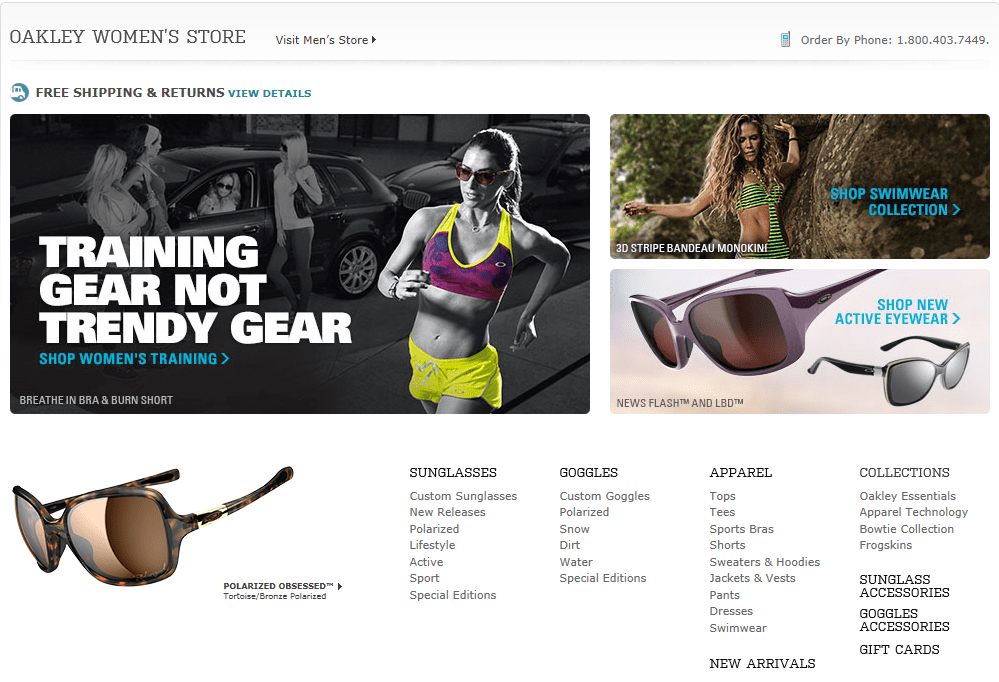
Case in point: Oakley Corporation. In 2005 Oakley had a cursory approach to women and did primarily just color its products pink to appeal to female shoppers. Not any more. Today, the company says it has “improved its designs, placed more women in leadership roles, launched women-specific ad campaigns and started an education program dubbed ‘Female Speak’ in stores.”

Although the female segment comprises only 10% of Oakley’s overall sales, more than 65% of women in the U.S. say that exercise and fitness are important parts of their lifestyle. Fitness apparel and accessories is a $14 billion industry and is growing twice as fast as general fashion retail. If companies want a share of the growing market, then their products need to be designed specifically for female athletes – and NOT colored pink.

Group Activities and Discussion Questions:

1. Discuss the differences in marketing sports apparel and equipment to men and women.
2. Have students list what they believe are the top 10 factors for each gender when purchasing sports apparel.
3. Show the Oakley videos:
http://youtu.be/VbZBoFtEQkohttp://youtu.be/0y0nKPkYD7E4. Discuss the change in the campaign. What are the key messages? What was changed in the marketing mix relative to the products?
5. Bring up Oakley’s Web site for women: http://www.oakley.com/women/store6 How does this compare to the company’s Web site for men? http://www.oakley.com/store.
7. Have students examine  female sports apparel from other companies such as Nike, Puma, Adidas, and others.
8. Finally, divide students into teams. Have each team develop a product and a marketing campaign for female athletes.

Source:  Brandchannel.com, Ad Age Daily, 6/4/13

Leave a comment

Filed under Classroom Activities