Tag Archives: Google

Google Contact Lens to Combat Diabetes

5


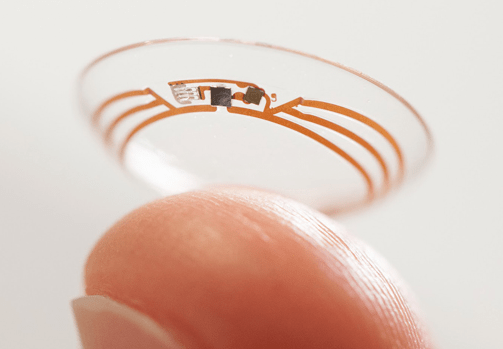
Google is testing prototypes of a new, smart contact lens that will monitor the glucose levels of diabetes patients by using their tears. While the device looks like a regular contact lens, it uses a tiny glucose sensor with a wireless transmitter – and it is the smallest one ever made. It contains two glitter-specks packed with tens of thousands of miniaturized transistors and ringed with a hair-thin antenna.


The market for the future device is large; the International Diabetes Federation estimates that there are currently 382 million diabetics today, growing to 590 million by the year 2035. Diabetes affects nearly one in every 19 people in the world. Today, diabetics test their own blood glucose levels multiple times a day by using needles to prick their fingers. Uncontrolled blood sugar can cause damage to the eyes, kidney, and heart.


The market size is estimated at $16 billion by the end of 2014. Google is currently testing the device, working with the FDA, and is looking for partners who are experts in bringing sophisticated health care devices to market.

Group Activities and Discussion Questions:

1. Show the video:
http://youtu.be/z7QzaV6zraI
2. Discuss the four primary marketing strategies (e.g., market penetration, market development, product development, and diversification).
3. Which strategy is Google using for this product? Divide students into teams. Have each team select one of the four different strategies and explain why that strategy could be used to market the contact lens devices.
4. Have each team determine the marketing mix (4Ps) to support their strategy choice.
5. Debrief the exercise.

Source:  Google, Brandchannel.com, New York Times, other news sources, 1/17/14
Leave a comment

Filed under Classroom Activities

Top 100 Searches in 2013

5

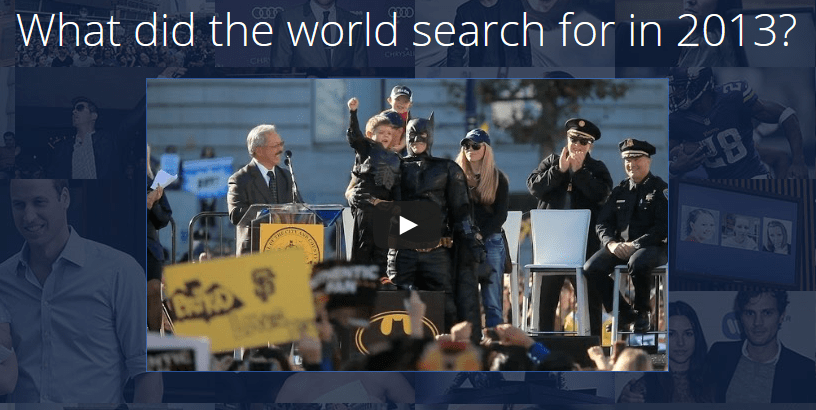
It’s important for marketers to keep current on topics of interests and trends around the world. This research gives us a good idea of what people are thinking and what they like and need. What did the world search for in 2013? Well (besides our usual searches for love and the meaning of life), the citizens of the world used Google’s search engine to keep current on topics ranging from food to celebrities.


Google processes two-out-of-three Internet queries each day. These queries give marketers a good snapshot of trends around the world: 1,000 Top 10 lists from 72 countries. The 2013 top spot were queries about South African activist Nelson Mandela. In the area of technology, Apple and Sony made the Top 10, plus the dance phenomenon Harlem Shake! Global events and uplifting happenings also drive consumers’ interests. Take a look – did you search for any of the top topics?

Group Activities and Discussion Questions:

  1. Discuss the importance of market research. What are sources that can be used? Why is tracking trends important?
  2. Bring up the site and show the video: http://www.google.com/trends/topcharts
  3. Divide students into teams and have each team examine a different Top 10 List topic.
  4. What are the trends from that topic?
  5. How can these trends be used to develop new products?
  6. Debrief the exercise by listing the ideas from each team.

Source:  Google

Leave a comment

Filed under Classroom Activities

Disruptive Innovation: Driverless Cars

3


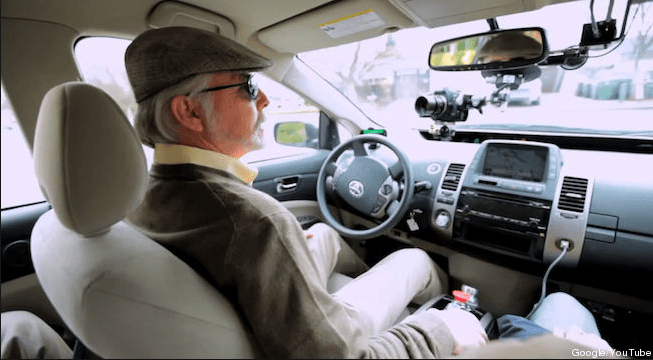
In marketing and in business, innovation rules. The innovations can be modest – such as packaging changes; continuous – such as smart phones; or disruptive – such as a driverless car. Yes, the driverless car is on the horizon and is now even legal to ‘drive’ in California where it is not uncommon to see one of Google’s driverless cars on the local highways and streets in San Francisco.

But disruptive innovations such as this can have consequences far beyond the marketing sales of a lone product. Think about it for a minute…

What were the consequences of the Internet? The Internet has radically changed how people live, communicate, shop, and develop new products. It is an essential part of our business and personal lives, and more. For a minute, try to imagine a day without using the Internet and all the tools which depend on the Internet. It’s tough to go through a day without it. Just as it is tough to go through a day without driving an automobile.

Now, try to imagine all the things that will happen once driverless cars become routine. It will change how we drive, how we park, how we commute, and more. Driverless cars will change traffic, insurance, safety, and parking. Businesses, and societies, need innovation – but the results have far-reaching impacts on how we live. What happens next is up to us.

Group Activities and Discussion Questions:

Discussion:

  1. This discussion comes under the heading of “innovation.”
  2. Review the various types of innovation. Also review the product life cycle model. Show were driverless cars will fit into these models.
  3. Show TED Talks video from Sebastian Thrun about driverless car and the ideas that spawned it: http://www.ted.com/talks/sebastian_thrun_google_s_driverless_car.html?Show
  4. Next, show video clips of Google’s driverless car in operation: http://www.youtube.com/channel/HCUyujUXL3_vc
  5. Discuss the consequences – both unintended and known – of the new car.
  6. Divide students into teams. Have each team list 10 changes that will happen due to the cars.

Source:  New York Times, 7/7/13

Leave a comment

Filed under Classroom Activities