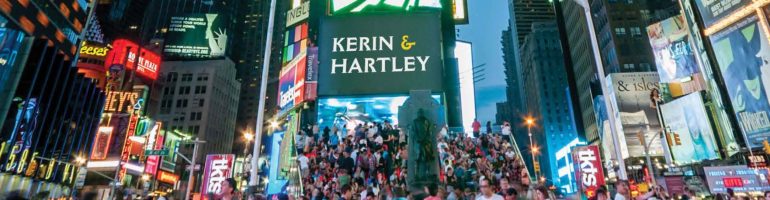

Would you visit a store just to buy something, or would you go for an experience you couldn’t get online? For years, retailers competed on price, convenience, and selection. Today, many are competing on something less tangible but perhaps more valuable: memorable experiences. As online shopping becomes routine and consumers experience digital fatigue from endless scrolling, successful brands are discovering that the future of retail is about creating moments worth sharing.
Macy’s offers a great example. Rather than promoting isolated sales events, the retailer has unified its marketing around its “Celebrations Start at Macy’s” platform. Interactive in-store experiences, personalized services, sports partnerships, and community events encourage customers to see shopping as part of celebrating life’s milestones, not simply completing a transaction. The goal is to strengthen the emotional connection between the customer and the brand.
This strategy reflects the growing trend of “retailtainment”, that is blending shopping with entertainment, education, and social interaction. From gamified loyalty programs and live shopping experiences to workshops and community events, retailers are transforming customers from passive buyers into active participants. In an age when nearly anything can be purchased online, physical stores succeed by offering experiences that websites cannot easily replicate.
The lesson for marketers is clear. Products can often be copied, but memorable experiences are much harder to duplicate. As consumer expectations continue to evolve, marketers must think beyond transactions and design experiences that build relationships, create lasting memories, and inspire customers to return. Sometimes the strongest competitive advantage isn’t what a company sells, it’s how it makes customers feel.
Discussion Questions and Activities
- Why are consumers placing greater value on experiences rather than simply purchasing products?
- How does Macy’s “Celebrations Start at Macy’s” campaign strengthen its brand beyond advertising?
- Refer to the article, Retailtainment 101: How to Create Immersive Customer Experiences and discuss the following questions: What Makes What makes retailtainment an effective response to digital fatigue? Can experiential marketing be successful for brands that primarily sell online? Why or why not?
- Think of a retailer you enjoy visiting. What elements of the experience encourage you to return?
- Retail Experience Audit (Online Research). Visit the websites of three retailers known for experiential marketing such as Macy’s, m&m’s, or Nike. Evaluate how each promotes experiences rather than products. What events, services, or communities do they highlight? Which brand creates the strongest emotional appeal and why?
- Design a “retailtainment” event. Working in teams, choose a familiar retailer and develop a one-day in-store event designed to increase traffic and customer engagement. Explain how the event supports the retailer’s brand positioning and encourages customers to share their experience on social media.
- From Transaction to Experience. Select an everyday product (coffee, sneakers, cosmetics, sporting goods, etc.). Create a marketing concept that transforms purchasing the product into an engaging experience that takes place in a retail environment. Identify your target market, describe the customer journey, and explain how your idea builds stronger customer loyalty than a traditional promotion.
Sources: Bogdan, Slava (5 February 2026) Digital Fatigue Is Real – ‘Retailtainment’ Is How Brands Win Customers Back, Entrepreneur; Pasquarelli, Adrianne (1 July 2026), How Macy’s is Modernizing a Legacy Brand around Celebrations and Customer Moments – Including the Fourth of July, AdAge; Rukavina, Ana (15 March 2025), Retailtainment 101: How to Create Immersive Customer Experiences, Infobip.


