
Monthly Archives: August 2013

Winning Product Launches

6

A new product launch is a significant investment for companies. Not only are the companies trying to penetrate the market with a new product, they are also trying to gain market share, build brand image, and perpetuate its reputation as an innovative company. But many new products fail in the first year after introduction, often leaving the company with a black-eye as well as red-ink.


What does it take to have a winning product launch? According to Nielsen’s analysis of 3,439 newly introduced consumer products, it determined that the top  winning products  demonstrated breakthrough results in innovation, relevance, endurance, and distinctiveness. In order to make the top list, the product had to achieve at least 90% of year-one sales in year two, demonstrating a solid consumer adoption of the new product.


The top products for 2013 are:


  • Chattem – Allegra® Allergy
  • Colgate Palmolive – Colgate® Optic White™
  • Dannon Oikos® Greek Yogurt
  • Del Monte – Milo’s Kitchen® Home-Style Dog Treats
  • General Mills – Fiber One® 90 Calorie Brownies
  • Hershey – Reese’s® Minis
  • Kelloggs – Special K Cracker Chips
  • Kraft – MiO Liquid Water Enhancer, Velveeta Cheesy Skillets
  • Monster Beverage Company – Monster Rehab®
  • Nestle – Skinny Cow Candy
  • P&G – Downy UNSTOPABLES™ In Wash Scent Booster
  • TalkingRain – Sparkling Ice
  • Unilever – Magnum® Ice Cream


Each of these products and companies successfully met three key requirements:


  1. Relevance – products must be relevant to the consumer and generate first year sales of $50+ million.
  2. Endurance – products achieved at least 90% of first year sales in its second year to confirm a sustained level of demand from trial to adoption.
  3. Distinctiveness – products must deliver a new value proposition to the market.


Launching a product might be tougher than it looks – particularly when the launch results have to be sustained into the next years.


Group Activities and Discussion Questions:


  1. Discuss the elements that make a good product launch.
  2. Review some of the winning product campaigns identified by Nielsen.
  3. Access and read the full report from Nielsen: http://www.nielsen.com/us/en/reports/2013/breakthrough-innovation-report.html
  4. Divide students into teams. Have each team design a product launch campaign for a product of their choice.
  5. How will each team address the three key areas of relevance, endurance, and distinctiveness?


Source:  Nielsen Research, 7/2013
 

Leave a comment

Filed under Classroom Activities

Legos You Can Rent

5

Buy or rent? It’s an old issue faced by consumers, usually when buying high-priced items such as cars, boats, furniture, and housing. But rental is also a good option for items that will not get a lot of use or ones consumers tire of quickly, such as fashion, books, electronic games, and DVD movies. We even rent power tools, trucks, and other necessary household items. But are there other potential rental businesses? It seems so.

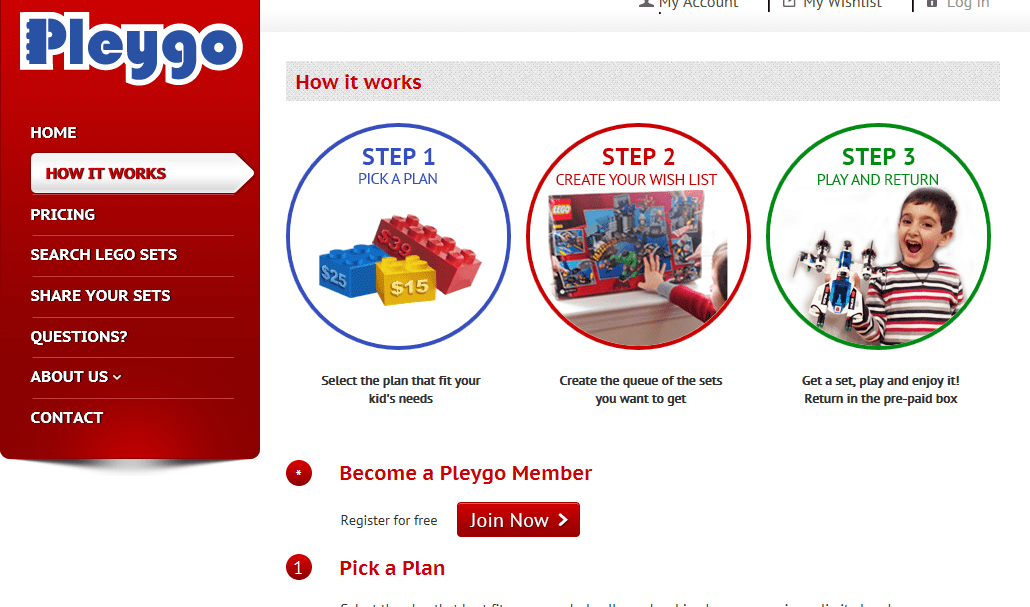
Enter the Lego renting business. Using a similar model to the Netflix movie rental business, Pleygo is a service that lets customers “rent” Lego sets for a fee as low as $15/month for 250 pieces (Fan), $25/month for 500 pieces (Super Fan), and $39/month for 5,400 pieces (Mega Fan).

The consumer builds a wish list, orders, receives the pieces along with instructions (and extra pieces), and builds the Lego creation. When the building has been completed and the kids are tired of it, the Legos are returned in the provided zip-lock bag and the next set ships. All pieces are cleaned and sanitized between rentals, and there is no charge for the normal loss of the tiny pieces. Shipping is free for members.

The service works primarily because Lego continually releases new sets, creating demand for the latest and greatest creation. Let the building begin!

Group Activities and Discussion Questions:

  1. Poll students: What are all the rental businesses that they can think of?
  2. Show the Lego rental site: http://www.pleygo.com/
  3. Discuss with students. What are the basics of the plan? Who is the target market?
  4. Divide students into teams.
  5. Have each team develop a Web-based rental business for a product(s) of their choice.
  6. What is the marketing mix to be used? Product, pricing, promotion? What are the key messages?

Source:  Minneapolis Star Tribune, 8/5/13

Leave a comment

Filed under Classroom Activities

Shifting Tastes in Foods and Markets

4


Innovate or die. That’s a phrase that all marketers are familiar with using, and it hits close to home for consumer product goods companies in particular. Case in point is Campbell Soup Co. The company plans to launch more than 200 new products in the next few months, ranging from Goldfish Mac & Cheese to a new cold variety of its classic V8 drink.

What prompted the new products? The changing trends of consumer taste, especially for more fresh foods. And before you wonder how V8 fits into a ‘fresh’ category, the product is being revamped to fit into a new category of “packaged fresh” foods. Instead of finding V8 in the center grocery aisle, the drink will be 100% fresh tomato/vegetable juice and will be stocked in the refrigerated section of grocery stores, a place Millennials tend to frequent. In the soup category, the new product is Campbell Homestyle soups which still have no added preservatives.

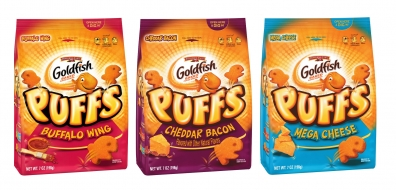
The new products are also intended to reach new market segments including Millennials, Hispanics, and other consumers who desire more sophisticated and bolder taste profiles. Also in the cross-hairs are the kid and teen markets, which will see new products such as Goldfish Puffs, a cheesy air-puffed baked form of Goldfish crackers.

Group Activities and Discussion Questions:

  1. Discuss why product innovation is important, and what factors help a new product become successful.
  2. Poll the class about their preferences in foods: taste, color, size, texture, flavors, etc.
  3. Ask students what new products they have tried in the past month. Why those products? What did they think about the product? Would they buy them again?
  4. Divide students into teams. Have each team select a category of food or beverage (e.g., soup, cookies, drinks, etc.)
  5. Have each team select a target market. Then have each team develop a new product (in their category) for the chosen target market.
  6. Debrief after each team presents their product.

Source:  Brandchannel.com, Ad Age Daily, 7/24/13

Leave a comment

Filed under Classroom Activities