
Monthly Archives: October 2013

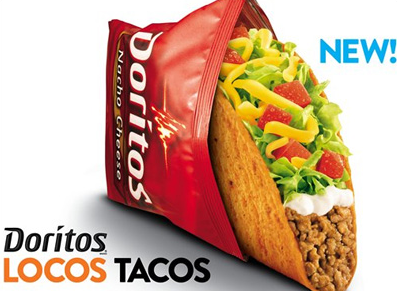
What’s In Doritos Locos Tacos?

Do you ever wonder exactly is in some of the snack foods we eat every day? Really – what exactly is IN the very popular Doritos Locos Tacos? And why do we eat so many? This short video, produced by Michael Moss of The New York Times, provides us with some unsettling answers.

The Doritos products are a marriage made in processed food heaven – combining an engineered snack with a fast-food colossus. The Doritos Locos Tacos product is engineered to target taste buds using dynamic contrasting (i.e., crispy shell, fat-filled) and maximum allure (50% of calories are from fat). It has a long hang-time favor system and leaves us wanting more!

Healthy? Nope. Craving? You bet! Profitable? Absolutely! View The New York Times video and consider the snack foods we consume each day.

Group Activities and Discussion Questions:

  1. Start by showing the video clip: http://www.nytimes.com/video/2013/10/01/dining/100000002476509/whats-in-it-doritos-locos-tacos.html?smid=pl-share

  1. Next, discuss snack foods. What are some of the snacks students buy regularly?

  1. Poll students: What snack foods have you eaten in the last week? Include both healthy snacks and the non-healthy snacks.

  2. Build a list on the board and tally the number of students who eat each snack. The non-healthy list will likely exceed the healthy list.

  3. Divide students into teams. Have each team select either a healthy or a non-healthy snack.

  4. Have each team research the snack online and develop the points for the following: target market, key message, product components, promotion, and distribution.

Source:  New York Times, 10/1/13
Leave a comment

Filed under Classroom Activities

Aquafina Launches Water for Teens

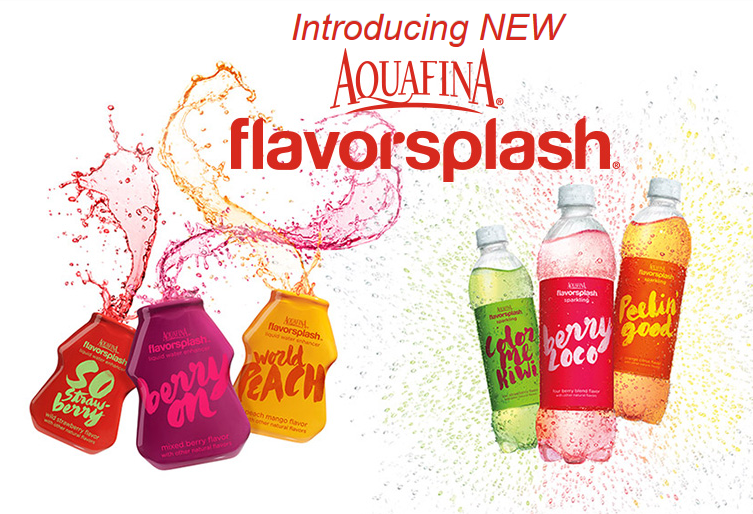
As the discussion about the safety of energy drinks for teens heats up, many teens are looking for alternative drinks to fit their lifestyle. Enter PepsiCo’s new line of Aquafina bottled waters, aimed just at the 13-19 year old market.

Not your-parents’-bottled-water, or part of the Pepsi Generation, the new drinks, called Aquafina FlavorSplash, are candy-colored sparking drinks adorned with bright colored, over-sized labels and casual fonts declaring the flavors. For example, “Peelin’ Good” is an orange-citrus flavor and “Color Me Kiwi” is a blend of kiwi and strawberry flavors. The sparkling, flavored water contains B vitamins and zero calories, which help the products appeal to health-conscious teens and parents.

Group Activities and Discussion Questions:

  1. Show the new products: http://www.aquafina.com/products.php

  1. Selecting a target market is critical in product development. For what other target markets might Aquafina create specialized products? (e.g., mature, ethnic, lifestyle, etc.)

  2. Divide students into teams. Have each team select a new target market for Aquafina.

  1. Determine the marketing mix for this target: product, promotion, price, distribution.

  1. What are important elements for the new product?

  2. What are environmental forces that are critical to examine?

Source:  Brandchannel.com, Ad Age Daily

Leave a comment

Filed under Classroom Activities

2013 Best Global Brands

What is a brand? Does a brand have a financial value? These are critical questions that drive the strategic marketing decisions of corporations around the world.

In general, marketers define brand as the position that a company/product holds in the minds of the consumers. It follows then that if the brand holds a position in consumers’ minds, then it would definitely translate into a financial value for companies.

Each year, Interbrand does a financial analysis that seeks to define, in dollars, the value of a company’s brand – the result is the annual Best Global Brands ranking. In order to be included in the analysis the brand must be global – it must have successfully crossed geographic and cultural boundaries:

  • At least 30% of revenue must come from outside the brand’s home country.

  • It must have presence in at least three continents as well as broad geographic coverage in emerging markets.

  • There must be sufficient publicly available data on the brand’s financial performance.

  • Economic profit must be expected to be positive over the longer term, delivering a return above the brand’s operating and financing costs.

  • The brand must have a public profile and awareness above and beyond its own marketplace.

Interbrand’s brand valuation methodology seeks to determine, in customer and financial terms, the contribution of the brand to the company’s business results. There are three key components in the methodology for the valuations: analyses of the financial performance of the branded products or services, of the role the brand plays in the purchase decision, and of the competitive strength of the brand.

The results – well, see for yourself by viewing the interactive report at http://www.interbrand.com/en/best-global-brands/2013/Best-Global-Brands-2013.aspx. The top global brands may surprise you.

Group Activities and Discussion Questions:

  1. Ask students to define “brand.” What is it? Does it have value to a company?

  2. Have students take out a piece of paper (or write answer on laptops). Ask them to choose what they thing are the top 10 most valuable brands in the world. Then show the top 10 list from the Global Brand report.

  1. Bring up the Web site: http://www.interbrand.com/en/best-global-brands/2013/Best-Global-Brands-2013.aspx.

  2. Show students several of the sections within the site and view some of the videos as a class. Discuss the overall findings as a class.

  3. Divide students into teams and assign each team an industry category to examine: automotive, apparel, beverage, electronics, energy, etc.

  4. Have each team present key findings from the industry sector they examined.

  5. How can these findings be applied in marketing strategies?

Source: Brandchannel.com, Interbrand.com

Leave a comment

Filed under Classroom Activities